Soda With a Sommelier's Pedigree: How LA's Best Kitchens Fell in Love With the Sober Table

Photo by Photo by T on Unsplash on Unsplash
There's a moment happening at a corner table in a Silver Lake dining room right now. A server sets down a small coupe glass filled with something amber and cloudy — verjus, chamomile, a whisper of smoked honey — and explains it the way a sommelier might describe a Jura chardonnay. The guest isn't drinking. Hasn't been for two years. And yet this is, without question, the most thought-out beverage of their adult life.
Welcome to LA's zero-proof era, where the most exciting liquid in the room might be a kombucha.
The Underserved Diner Everyone Suddenly Wants
Talk to beverage directors around town and a pattern emerges fast: the guest who doesn't drink has become one of the most valuable people at the table — and historically, one of the most ignored.
"For years, the non-drinker got warm tap water and an apology," one Westside beverage director told us, laughing but not really joking. "Now they're the person I get to show off for. There's no muscle memory to fight against. They taste everything fresh."
There's a business logic underneath the idealism. A table where one person opts out of wine used to mean a lighter check and a quieter tip. But a guest offered a genuine, considered pairing — three courses, three house-made non-alcoholic pours, priced like a flight — spends almost what their drinking companion does. Multiply that across a dining room and suddenly the soda program isn't a courtesy. It's revenue.
What's Actually in the Glass
The movement isn't just handing a Dry January visitor a canned mocktail from the grocery store. The kitchens doing this well treat fermentation, acidity, and sugar the way winemakers do.
Expect some combination of the following across LA's ambitious rooms:
- House kombuchas and water kefirs, often fermented in-house for weeks, poured alongside richer courses to cut through fat the way a dry riesling would
- Shrub-based pairings — drinking vinegars built from stone fruit, berries, or citrus, with enough acid to stand up to a full plate
- Imported sodas treated like estate bottlings, from Mexican tamarind and Jamaican grapefruit to Japanese yuzu and bitter European colas
- Tea programs with real structure, including smoked, aged, and oolong-heavy flights that evolve in the glass
- Zero-proof cocktails built on verjus, fermented honey water, and non-alcoholic bitters rather than sugary syrups
The best versions arrive with the same table-side narration as a wine pairing: where it came from, why it's here, what it's doing for the dish.
Where to Experience It Yourself
A handful of LA rooms have made the sober pairing a genuine headline act rather than a footnote.
The fine-dining rooms. Tasting-menu kitchens across the city — from the Westside to the eastside's newer degustation spots — now routinely offer a full non-alcoholic pairing at a price that reflects real labor, not a discount. Ask when you book; the good ones are proud of it.
The neighborhood restaurants. This is where the movement gets interesting. Casual spots in Highland Park, Koreatown, and the South Bay are stocking single-origin teas and house shrubs without any fanfare. No pairing menu, no ceremony — just a really good drink that happens to contain no alcohol, sitting next to a really good plate of food.
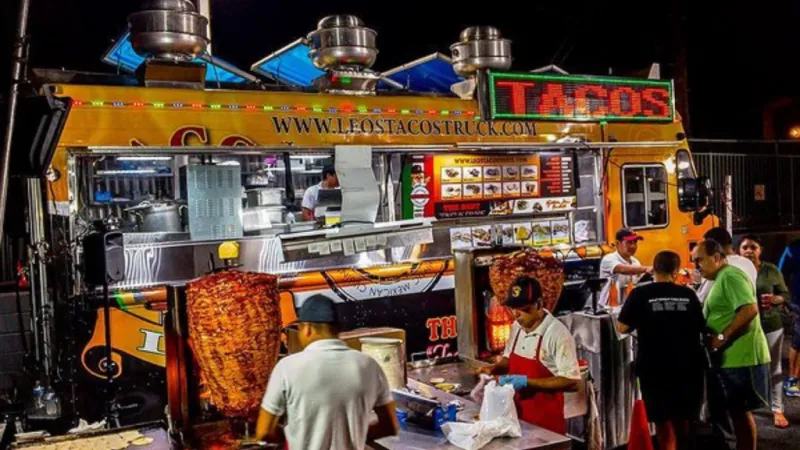
The counters and casual rooms. Even quick-service spots are getting in on it, pouring imported sodas and fresh-fermented options that make the $6 drink upcharge feel like a choice rather than a shakedown.
How to Order Like You've Done This Before
A few practical notes from the people running these programs:
- Mention it when you book. Beverage directors often prep a limited quantity of fermented or house-made options. A heads-up means you get the full sequence, not the fallback.
- Ask what's fermented in-house. That's the tell of a serious program. If the answer is nothing, order the imported soda and move on.
- Say yes to the pairing flight if it's offered, even at a higher price than à la carte. The sequencing is the point — acid, sweetness, and bitterness arranged to land with each course.
- Give feedback. This corner of the beverage world is young. The rooms doing it well are actively adjusting based on what guests actually enjoy.
The Quiet Revolution
Nobody's declaring wine dead — the cellar programs at LA's great restaurants are as deep as ever. What's changing is the assumption that a night out requires alcohol to feel complete, and that a non-drinking guest is a problem to be managed.
The best tables in this city have stopped managing and started wooing. The glass is smaller, the ABV is zero, and honestly? Sometimes it's the drink you remember most.
Your designated driver era just got a lot more delicious.