Big Platters, Bigger Personalities: LA's Family-Style Renaissance Is a Group Project

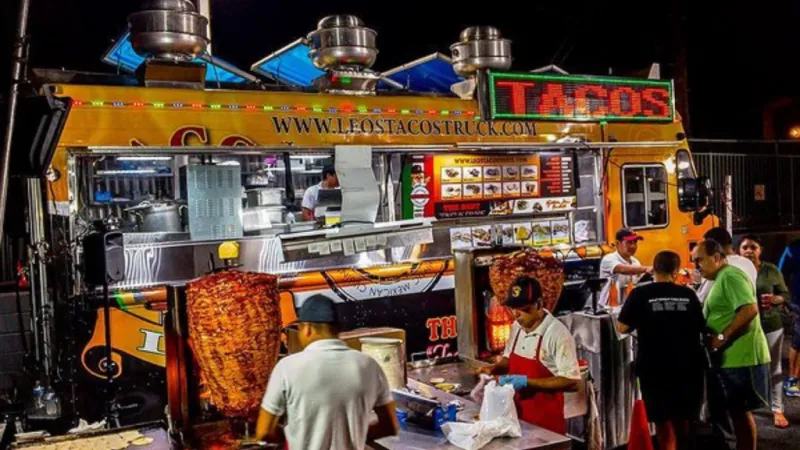
Photo by Photo by Gor Davtyan on Unsplash on Unsplash
Los Angeles has always been a city of solo dining. You eat a burrito in your car. You grab a counter seat at a strip-mall sushi bar. You split a salad with nobody. And yet, some of the most exciting meals happening across the city right now demand the opposite approach: a full table, a coordinated crew, and the willingness to negotiate who gets the crispy skin.
Family-style dining — the big-format, share-everything kind — is having a genuine moment in LA. Not as a nostalgia play, but as a deliberate format. Whole grilled fish with the head on. Rice platters buried under fried chicken and herbs. Cuts of meat that simply don't exist in single-serving form. If you want them, you bring people.
Why the Big Format Is Winning
There's a practical logic underneath the romance. Large-format cooking lets kitchens do their best work. A whole branzino cooked over open flame is a better fish than four individually portioned fillets. A slow-roasted pork shoulder develops textures that a chop never will. Chefs know this, and diners are catching on.
There's also the economics, quietly. When a $68 platter feeds four people, that's a better deal than most entrées in this town — and a better story. In a city where a night out can easily clear a hundred bucks a head, communal tables stretch the budget while stretching the experience.
Mostly, though, it just tastes better. Passing dishes, building bites, arguing over the last piece — that's the stuff restaurants can't plate.
The Tables Worth Assembling a Crew For
The whole-fish specialists. From Thai kitchens in Hollywood turning out whole fried sea bass with three sauces, to Mediterranean grills sending out entire fish over coals, LA's whole-fish game is deep. The move: order one fish per two to three people, plus sides, and let the table self-organize. The cheeks are the cook's gift to whoever knows to ask.
The rice-and-platter spots. Korean, Persian, Filipino, and Vietnamese kitchens across the city build menus around central platters — bibimbap for the table, saffron rice under lamb, garlic rice crowned with lechon-style pork. These are the meals where the table becomes a landscape and everyone navigates it differently.
The fire-driven steak houses. Newer openings have leaned hard into hearth cooking, and the steaks come in sizes that assume friends. A 40-ounce ribeye isn't a dinner; it's a negotiation with a crust on it.
The banquet-style neighborhoods. San Gabriel Valley remains the gold standard. Family-style Chinese dining — whole steamed fish, clay pot dishes, lazy susan logistics — has been doing this for decades without needing a renaissance. Bring six people and an open mind.
Ordering Strategy: A Field Guide
Family-style dining rewards planning. A few rules we've learned the hard way:
- Count heads before you book. Most large-format dishes require 48 to 72 hours of notice, and many restaurants price them per person or per four people minimum. Know your headcount before you call, not after.
- Anchor the table with one big thing, then build around it. The whole fish or the big cut is your centerpiece. Everything else — vegetables, rice, something acidic — should support it, not compete.
- Balance the rich with the sharp. Big platters are usually rich. Pickled vegetables, herbs, citrus, and broths keep the meal from flattening out by course three.
- Assign one person to order. Consensus ordering sounds nice and delivers chaos. One confident orderer, briefed on everyone's dealbreakers, beats a committee every time.
- Ask about the off-menu formats. Whole animals, roasts, and feast menus often exist for those who ask. The worst outcome is a no.
The Group-Chat Problem
Let's be honest: the hardest part of family-style dining isn't the food. It's getting five adults with calendars to agree on a Tuesday. Our advice — treat it like an event, not a dinner. Pick a date range, lock the restaurant, and let the reservation create the momentum. Deposit policies (which LA has fully embraced) mean a no-show now costs somebody money, which is a remarkably effective attendance incentive.
And pick your crew wisely. Family-style dining is a compatibility test disguised as a meal. You want people who order generously, share willingly, and don't keep a running tab of who ate the last piece of fish.
Worth the Coordination
Solo dining will always have a place in this city — we've written about it plenty. But there's something specific that happens when a table of people leans into one big dish together. The phones go down. The conversation turns to the food, then past it. The platter empties in a rhythm nobody planned.
In a town built around the individual — the solo car, the single order, the personal everything — the big-format table is a small act of rebellion. Gather your people. Order the whole thing.