Put Your Money Where Your Reservation Is: LA's Deposit Era Has Arrived

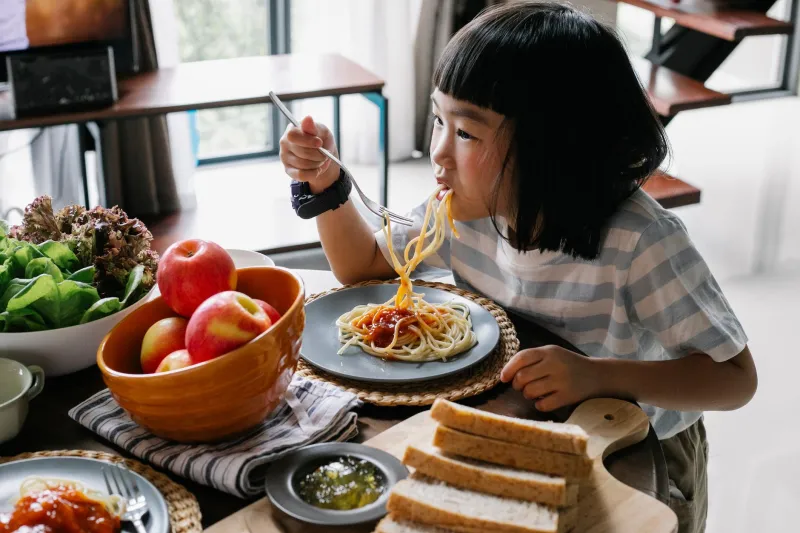
Photo by Photo by Dennis Zhang on Unsplash on Unsplash
There was a time, not that long ago, when booking a table in Los Angeles was a handshake agreement. You said 8 p.m. for four, and the restaurant believed you. Then the no-show rates came in — some kitchens around town were eating 15, 20 percent of their nightly covers — and the handshake got a credit card swiped across it.
Now the deposit is everywhere. A hold on your Amex at the Michelin-adjacent tasting counter in Culver City. A flat $25 per head at the buzzy pasta spot on Sunset that sold out in nine minutes. Full pre-payment for a seat at a sushi omakase in the South Bay. The reservation, once a courtesy, is now a transaction. And honestly? I've come around to it.
The Math That Nobody Wants to Do Out Loud
Talk to a general manager about no-shows and the conversation gets quiet fast, because the numbers are ugly. A 40-seat dining room that loses six tables on a Friday night isn't just missing out on dinner checks. It's a sous chef's hourly shift that doesn't pay for itself. It's the fish that was ordered for a party of four who never materialized, now destined for family meal.
Restaurants operate on margins thin enough to read a menu through. When one in five reservations evaporates, that's not an inconvenience — it's a payroll problem. The deposit, for all its friction, simply moves the risk back to the person creating it.
How Diners Game the System (Because Of Course They Do)
Any penalty model spawns its workarounds, and Angelenos are nothing if not resourceful. The classics: book under a virtual card number that will decline the hold. Make two reservations at different spots for the same night and decide based on traffic on the 10. The truly committed keep a rotation of phone numbers for when one gets flagged.
Reservation platforms have noticed. Cancellation windows have tightened from day-of to 24 or even 48 hours. Some spots now require a text confirmation or your table gets released. The arms race continues, and like most arms races, the people with the least flexibility — shift workers, parents, anyone whose Friday depends on a babysitter flaking — pay the highest price.
The Spontaneity Tax
Here's my real worry, though. LA used to be a city where you could decide at 6 p.m. that you wanted noodles at 8. Walk-in culture still survives at the taquerias, the strip-mall Thai joints, the Koreatown BBQ spots that take names on a clipboard. But the middle tier — the ambitious, chef-driven rooms this site covers obsessively — has walled itself off behind deposits and ticketing.
The counterargument, and it's a fair one: those same rooms were dying without the deposits. A full book with a few flakes is better than a half-empty room with none. If a $20 hold keeps a talented kitchen open through its second year, I'll pay the $20. I'd rather put money down than put a restaurant down.
What Actually Works
From what I've seen around town, the penalty models sort into three buckets. The soft hold — card on file, fee only for a true no-show — feels fair and mostly works. The flat deposit, refunded into your bill, is the sweet spot: committed diners don't mind, and flakes self-select out. The full pre-pay ticket model, borrowed from concerts, only makes sense at the high end, where the experience is genuinely a performance.
What doesn't work is punishment theater — fees that exceed the cost of a reasonable entrée, or cancellation windows so tight they assume your life will hold still for 72 hours. Diners remember that stuff. So do the group chats.
The Verdict
The deposit era isn't killing spontaneity; it's pricing it, which is different. Spontaneity in LA dining has moved to the walk-in counters and the 10:30 p.m. seats, and honestly, some of the city's best meals live there anyway. For the destination restaurants, the deposit is the admission price for a kitchen that planned for you — bought the fish, staffed the line, held the booth.
Show up or lose the money. In a city where flaking is practically a love language, maybe that's the accountability we needed.